
—
Charlie Sheen is HIV positive. Hedonism unrestrained?
—
HIV cannot be transmitted through mosquito bites, swimming, sneezing, human saliva and sweat, or urine and faeces (shit).
—
THE ALL-IMPORTANT WORD NOT WAS LEFT OUT OF THE POSTERS!
#Indonesia #sorry over
over #posters saying #sneezing transmits #HIV http://www.nst.com.my/news/2015/11/112329/indonesia-sorry-over-posters-saying-sneezing-transmits-hiv … #nst170

…
…
…
…
…
Hundreds of posters were plastered on trains at the weekend, but are now being removed following an outcry.
…
Read More : http://www.nst.com.my/news/2015/11/112329/indonesia-sorry-over-posters-saying-sneezing-transmits-hiv
…
 Pusat Promkes
 Saat ini penarikan media kie #HIV di #KRL sedang dilakukan @puskomdepkes @BanggaAkuTahu
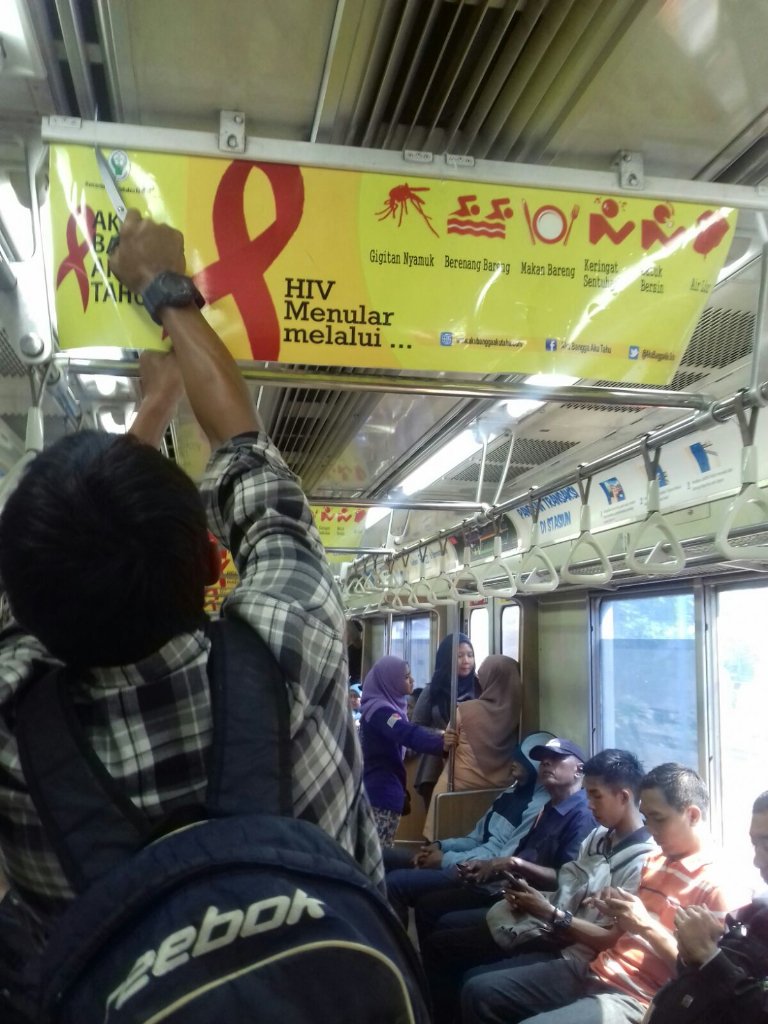

—
EXCERPTS from
How is HIV / AIDS transmitted? – San Francisco AIDS …
How do you catch HIV? How do you get AIDS?
You can’t “catch” AIDS; you only contract AIDS if you have HIV — Read more about the difference between HIV and AIDS.
HIV can only be transmitted from an infected person to another through direct contact of bodily fluids such as:
- Blood (including menstrual blood)
- Semen / Cum / Precum / Ejaculate
- Vaginal secretions
- Breast milk
Blood contains the highest concentration of the virus, followed by semen, followed by vaginal fluids, followed by breast milk.
…
Activities That Could Risk HIV Infection
Sexual intercourse (vaginal and anal): Anal and vaginal intercourse are high-risk activities. In the penis, vagina and anus, HIV may enter through cuts and sores (many of which would be very small and hard to notice), or directly through the mucus membranes.
Oral sex (mouth-penis, mouth-vagina): There are cases where HIV was transmitted orally, so it’s not completely without risk to have HIV-infected semen, vaginal fluid or blood in your mouth. However, oral sex is considered a low risk practice. The virus can’t survive well in the mouth (in semen, vaginal fluid or blood), so the risk of HIV transmission through the throat, gums, and oral membranes is lower than through vaginal or anal membranes.
Sharing injection needles or works: Sharing needles or other materials used for injecting is considered a high-risk practice. Injection needles can pass blood directly from one person to another if you share them. If a person with HIV injects with a needle then shares it with another person, the second person is at very high risk for getting HIV.
Mother to Child: Mother to child transmission is now rare in the US and other developed countries because pregnant women who are HIV-positive are normally given medications to prevent the fetus from getting infected. However, it is possible for an HIV-infected mother to pass the virus directly before or during birth, or through breast milk. Breast milk contains HIV, and while small amounts of breast milk do not pose significant threat of infection to adults, it is a risk for infants.
…
Bodily Fluids that are NOT infectious:
- Saliva /Spit
- Tears
- Sweat
- Feces / Poop
- Urine / Pee
http://sfaf.org/hiv-info/basics/how-is-hiv-transmitted.html
—
 weehingthong