
—
18 April 2016
 HuffPost UK
Police investigate after BA pilot claims his plane was struck by a drone at Heathrow http://huff.to/1WzlaCS

—
#BritishAirways plane struck by #drone as it tries to land at #Heathrow http://dailym.ai/1SkMbqM #risk #aviation #uk


…
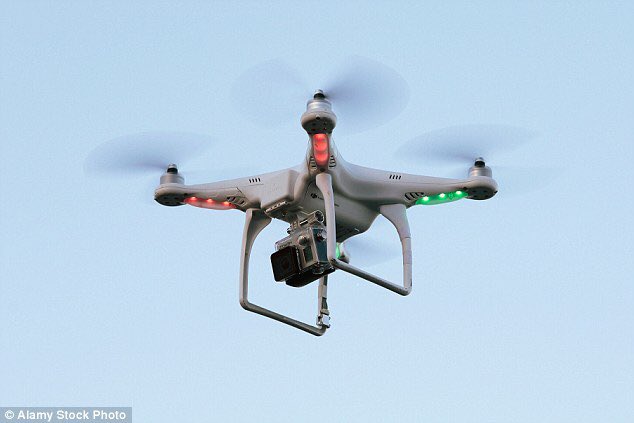
A passenger jet was hit by a drone above London yesterday, sparking major concerns over air safety.
The front of a British Airways jet, carrying 132 passengers and five crew, was struck in what is believed to be the first time a drone has hit a commercial plane in British airspace.
The Airbus A320 from Geneva was minutes away from landing at Heathrow when it was hit. The aircraft landed safely.
Metropolitan Police detectives are investigating the strike, which follows a string of near misses in recent months.
Pilots warn that drones – which are too small to appear on air traffic control radar screens – could destroy an airliner’s engine or smash a cockpit windscreen.
Engineers also say a drone’s lithium battery could catch fire if it hit the nose or other softer parts of an aircraft and became embedded.
Follow us: @MailOnline on Twitter | DailyMail on Facebook
—
Follow us: @MailOnline on Twitter | DailyMail on Facebook
—
 weehingthong