
..
—
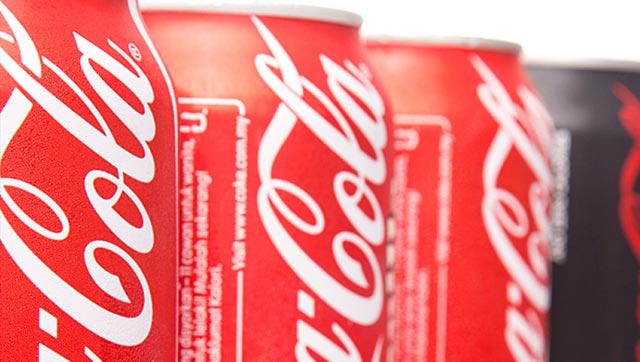
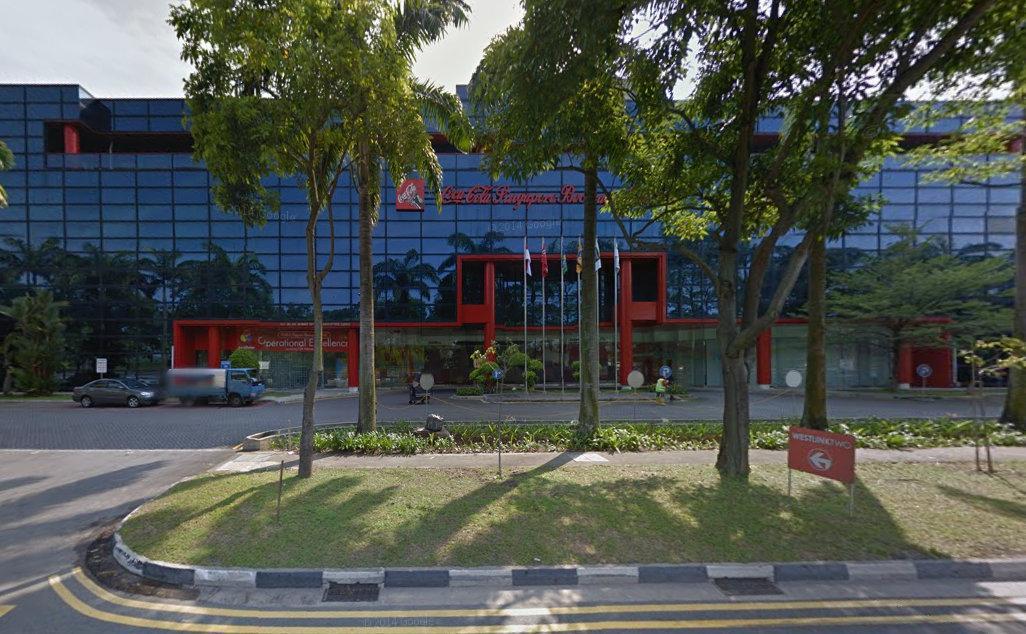
Evacuation after chemical leak at Coca-Cola Singapore plant http://ebx.sh/1gFDo51
By DAVID SUN
The incident happened at about 8.45am at 457 Jalan Ahmad Ibrahim.
A gas cylinder, which was about 1.6m long, was being used to contain about 60kg of compressed ammonia when it ruptured and caused an explosion on the first floor.
Worker in ICU after blast at Coca-Cola plant http://ebx.sh/1DfSiZu
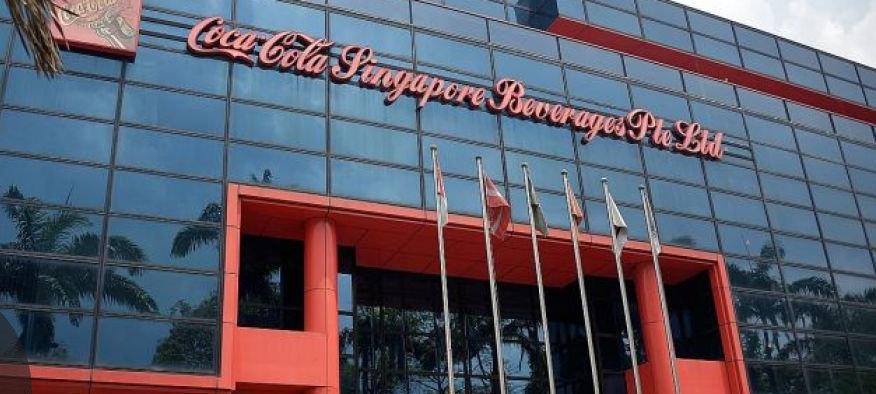
Coca-Cola worker in critical condition after inhaling ammonia from exploded cylinder
By DAVID SUN
The incident happened at about 8.35am at the Coca-Cola Singapore plant in the Tuas area.
Two workers were in a production room where a 1.6m-long gas cylinder was being filled with compressed ammonia when the tank ruptured and exploded.
One of the workers, Mr Loh Yoke Koon, 44, believed to be a Singapore permanent resident from Malaysia, was affected by the blast. He was later taken to the National University Hospital, where he was placed in the ICU.
The other worker escaped unhurt.

Here’s What’s Wrong With That Viral Coca-Cola Graphic: Don’t believe everything you read on the internet. … http://bzfd.it/1DTEsH9
Here’s What’s Wrong With That Viral Coca-Cola Graphic
Don’t believe everything you read on the internet.
posted on Jul. 31, 2015, at 6:33 a.m.


An infographic about the health effects of a single can of Coke has been going viral today. But there’s a lot about it that doesn’t necessarily check out.
This infographic creator, identified as Niraj Naik by the Daily Mail, first published it on the blog The Renegade Pharmacist. He writes in his blog post that the information in the infographic comes from a post published on Blisstree.
BuzzFeed Life reached out to several experts to fact-check some of the claims.
First, the points about sugar either don’t check out, or get the science confused.
…
Here’s what it says:
10 teaspoons of sugar hit your system. (100% of your recommended daily intake.) You don’t immediately vomit from the overwhelming sweetness because phosphoric acid cuts the flavor allowing you to keep it down.
Here’s the truth:
“This statement is not true,” Stanhope said. “By far the majority of people have no trouble consuming 10 teaspoons of sugar-sweetened beverage. We have studied 100s of participants in our studies who consumed beverages that contained more than 10 teaspoons of sugar, but no phosphoric acid. Not one ever vomited due to the sweetness, and I don’t remember any of them ever reporting that they felt nauseated due to the sweetness.”
…
Here’s what it says:
20 minutes in: Your blood sugar spikes, causing an insulin burst. Your liver responds to this by turning any sugar it can get its hands on into fat. (There’s plenty of that at this particular moment)
Here’s the truth:
It’s not the insulin spike that’s the problem, according to Stanhope’s research. Basically, the fat production has to do with how the liver metabolizes fructose…and not the increased levels of insulin. She sums it up: “Insulin spikes following consumption of sugar-sweetened beverages are not the main cause of the fat-making in the liver.” Here’s a scientific paper she published that goes into it, if you’re curious.
Naik’s blog post actually addresses the issue of fructose in sugar-sweetened drinks; it’s the attached infographic that focuses incorrectly on insulin.
Read the rest here:
—
What happens one hour after drinking a Coke http://bit.ly/CokeIsEw

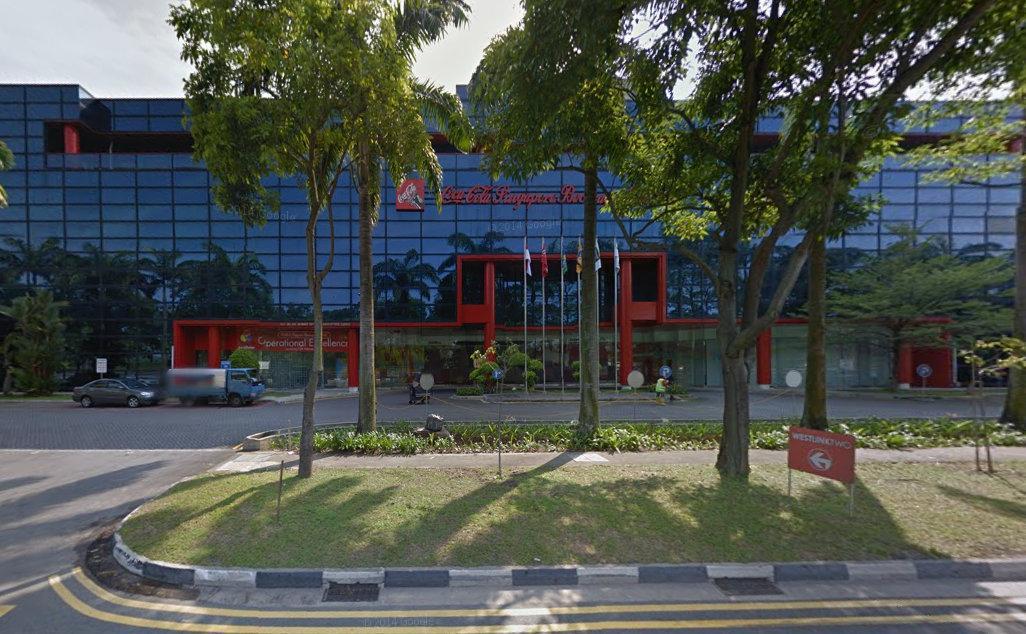
80 workers evacuated after chemical leak at Coca-Cola Singapore plant http://ebx.sh/1MB9ETF
By DAVID SUN
The incident happened at about 8.45am at 457 Jalan Ahmad Ibrahim.
A gas cylinder, which was about 1.6m long, was being used to contain about 60kg of compressed ammonia when it ruptured and caused an explosion on the first floor.
A 44-year-old man was taken to NUH after he had difficulty breathing and complained of discomfort on his face and throat.
He has been decontaminated by the Singapore Civil Defence Force (SCDF).
—
 weehingthong