
—
29 November 2015
The miraculous treatment for schizophrenia, and the reason most doctors haven’t heard of it http://huff.to/1Q56Kqz
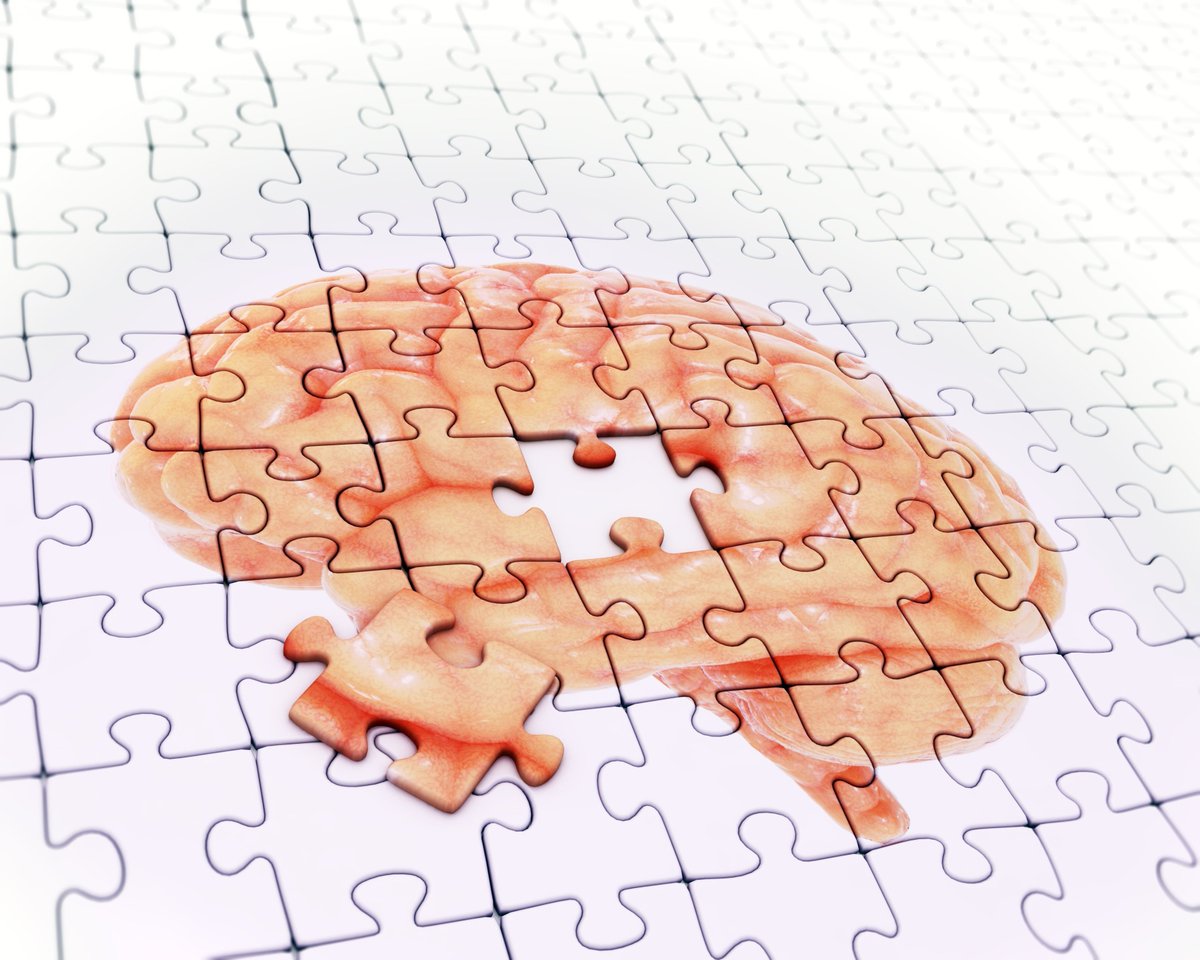
When they began studying people who had developed symptoms only recently, they found that the changes to the prefrontal cortex and gray matter were far less pronounced. Patients were more sensitive to medication, which meant that the standard high doses created more debilitating side effects—and that low doses would be more than adequate to control hallucinations and delusions. Newly diagnosed patients also responded better to cognitive therapy to help them deal with irregular thoughts. Eventually, researchers homed in on a key variable: the duration of untreated psychosis, or D.U.P. They theorized that the shorter the interval between the first appearance of symptoms and when a person gets treatment, the greater the chance of some form of meaningful recovery.
—
24 June 2015
It’s a wonderful invention but you wouldn’t want to be the one when it GLOWS!
Students design condom that changes colour if you have an STI http://dailym.ai/1J5izso
 …
…A ‘smart’ condom that changes colour when it detects a sexually transmitted disease could help to cut the spread of the illnesses.
The idea has been dreamt up by a group of students taking part in the TeenTech awards as a way to combat soaring infection rates.
Called the S.T.EYE, the condom concept includes a layer impregnated with molecules that attach to the bacteria and viruses associated with the most common sexually transmitted infections (STIs).
These would then cause molecules incorporated in the condom rubber to fluoresce a certain colour in low light, according to the infection detected.
So the condom might glow green for chlamydia, yellow for herpes, purple in the presence of the human papillomavirus which causes genital warts, and blue for syphilis, explained the designers.
Although still a concept at the moment, the students hope it may be possible to turn their idea into a reality in the future.
Follow us: @MailOnline on Twitter | DailyMail on Facebook
A cure for asthma cure could be within reach http://ind.pn/1d1VPhV

Ian Johnston
Wednesday 22 April 2015
One of the researchers, Professor Daniela Riccardi, from Cardiff University School of Biosciences, said: “If we can prove that calcilytics are safe when administered directly to the lung in people, then in five years we could be in a position to treat patients and potentially stop asthma from happening in the first place.”
—
Dementia is a general term for a decline in mental ability severe enough to interfere with daily life. Memory loss is an example. Alzheimer’s is the most common type of dementia.
http://www.alz.org/what-is-dementia.asp

Hope for dementia: New treatment by @NTUsg scientists enhances growth of new brain cells http://cna.asia/1a7WfS7
 …
…SINGAPORE: A group of Nanyang Technological University (NTU) scientists have discovered a new treatment for dementia, by sending electrical impulses to specific areas of the brain to enhance the growth of new brain cells.In a news release on Tuesday (Apr 6), NTU said the treatment is known as deep brain stimulation, which is a therapeutic procedure already used in some parts of the world to treat various neurological conditions such as tremors or Dystonia.“Their research has shown that new brain cells, or neurons, can be formed by stimulating the front part of the brain which is involved in memory retention using minute amounts of electricity,” said the release.The increase in brain cells will reduce anxiety and depression, and promotes improved learning, and boosts overall memory formation and retention, it added.
http://www.channelnewsasia.com/news/singapore/ntu-scientists-discover/1768036.html?cid=twtcna
—
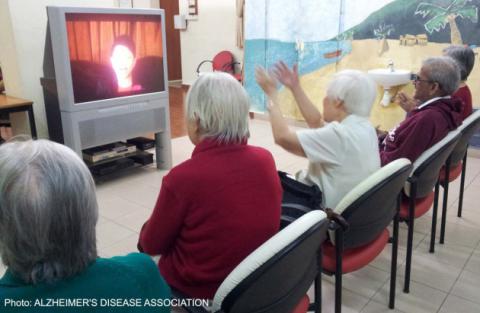
The blood test is a breakthrough, as it can detect Alzheimer’s in its earliest stages, yet early discovery of the disease has raised ethical debates in other countries.

Taiwanese researchers announce world’s first blood test for Alzheimer’s disease http://shar.es/1gGdCN
…
The China Post/Asia News Network
TAIPEI, Taiwan – National Taiwan Normal University Institute of Electro-optical Science and Technology researchers and National Taiwan University Hospital’s Neurology Department announced the creation of the world’s first blood test for Alzheimer’s disease yesterday at an academic symposium.
The research team made up of NTNU’s chair professor Hung Heng-e, associate professors Hsieh Chen-chieh and Liao Shu-hsien, NTUH Neurology Department Dr. Chiu Ming-chang and other researchers, used ImmuoMagnetic Reduction technology to create the blood test.
The test is said to be able to move up detection of the disease by at least eight to ten years, often the earliest stage of Alzheimer’s, which is the mild cognitive decline phase. It also reports an 85-per cent accuracy and requires a short testing procedure, at around 5 hours, the team said.
The research team designed the pathogen tests for the disease with nano metal powder, and hopes to replace the traditional invasive testing method of collecting Cerebral Spinal Fluid (CSF). Nano metal powder as the chemical agent saves time and effort, the team reported.
The current testing method for Alzheimer’s disease requires taking CSF, Hsieh said, pointing out CSF collection is a high-risk process, as it can possibly result in paralysis. It is also time consuming and usually entails a weeklong testing procedure, explained Hsieh.
—
THIS IS GREAT NEWS!
“Near work has been thought to be a cause of myopia, or at least a risk factor, for more than 100 years,” said Mr Karla Zadnik, professor and dean of the College of Optometry at The Ohio State University and lead author of the study.
“In this large dataset from an ethnically representative sample of children, we found no association.”

A 20-year study shows that staring at screens is not to blame ⁰for short-sightedness http://tdy.sg/1GqLrLk
 …
…LONDON — Sitting too close to a computer or television screen does not cause short-sightedness, scientists have concluded after a 20-year study.
Researchers at Ohio State University in the United States followed 4,500 children between the ages of six and 11 over two decades, monitoring their screen use and testing their eyes.
Although current thinking suggests that staring too long at a screen can cause short-sightedness, or myopia, which has led to the recommendation of screen breaks, the new study found there was no link between bad eyesight and youngsters who spent the most time in front of a computer or TV.
…
Researchers looked at 13 potential risk factors for myopia to determine the strongest single predictor that could identify those children most likely to become short-sighted. They discovered that the biggest predictor was the level of refractive error in the eye at the age of six. (My emphasis.)
In people with normal vision, the eyeball grows along with the rest of the body and is programmed to stop growing at a point that sustains clear vision.
In people with myopia, the typically spherical eyeball becomes elongated, resembling the shape of a grape or an olive.
…
The findings also backed up previous research that found children who spent more time outdoors were less likely to be short-sighted. That research, performed at Australia’s Bristol School of Social and Community Medicine, made their conclusions after following 14,000 youngsters who were part of the Avon Longitudinal Study.
They found that children should spend a minimum of two to three hours outside each day in direct sunlight to avoid becoming short-sighted. The research found exposure to bright light can help regulate the eyeball’s growth in childhood, dramatically reducing the risk of myopia. (My emphasis.)
—
AMBLYOPIA OR LAZY EYE
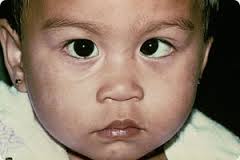
Amblyopia is the medical term used when the vision in one of the eyes is reduced because the eye and the brain are not working together properly. The eye itself looks normal, but it is not being used normally because the brain is favoring the other eye. This condition is also sometimes called lazy eye.
(https://www.nei.nih.gov/health/amblyopia)
…
“The tablet or smartphone is now the syringe of the future. It is going to be able to provide treatment options for various illnesses. The first we’re working on is ambylopia but we really don’t know where this industry’s going to take us,” Koziak says, reeling off potential applications for stress disorders, ADHD, autism and concussion impacts.
 Lazy eye might be a thing of the past thanks to this videogame http://huff.to/1HyPA1y via
 @HuffPostCaLiv

This Canadian Video Game Could Cure Lazy Eye. Yes, Really
Playing video games has long been demonized for all the screentime that could be ruining our eyesight. But what if it actually helped it?
Montreal-based video game publisher Ubisoft’s upcoming release, “Dig Rush,” is setting out to treat Amblyopia, a disorder commonly known as “lazy eye” that affects three per cent of the population, and can lead to blindness in one eye. Developers say clinical trials of this therapeutic video game showed improvement in 90 per cent of test patients.
…
A “revolutionary” new eye treatment using contrasting colours was developed and patented by McGill University researcher Dr. Robert Hess but, as Koziak notes, “just looking at a series of contrasts isn’t going to be very exciting, especially when treatment is an hour a day for six weeks. What we needed was to develop some form of entertainment which would keep the patient concentrating on the images.”
Enter Ubisoft Montreal, the makers of such blockbuster game franchises as “Assassin’s Creed” and “Far Cry.”
“It was a coincidence that I met Dr. Hess one night at a Hacking Health Cafe where we were gathering health specialists and developers trying to solve issues,” recalls Ubisoft’s Mathieu Ferland. “It’s very interesting for a game producer like me to work on such a project.”
While Hess had done his research with Tetris, Ubisoft designed a more involving and effective “Super Mario”-style side-scroller (in which the player’s avatar goes towards the right, rather than into the game). With the player’s character in red and the enemies in blue, old-timey 3D glasses control which eye sees which element. Ferland says it trains the brain to recover binocular vision by making it “impossible for a user to play the game without synchronizing both eyes.”
Currently undergoing regulatory approval with the FDA and then Health Canada, the game will be prescribed by doctors via a dedicated tablet so it can be calibrated and customized to each patient, as well as adjusting automatically to their progression.
Koziak points out that despite affecting three per cent of the world’s population, amblyopia is relatively obscure and lacks the awareness, research and fundraising of better-known ailments. But for almost all of those treated in the “Dig Rush” trials, “they are viewing life using both eyes. They can see depth perception, they can see 3D items, they can play sports. For them, that’s a totally unique experience.”
The treatment is also a unique experience, but not for long. This summer will see a Games for Health Conference in Boston to discuss the “the increasing role videogames and gamification are having in healthcare today.”
—
4D ultrasound study shows harmful effects of smoking on unborn babies
The images that prove why you shouldn’t smoke when pregnant http://ind.pn/1N1cnDF

…
A new study appears to shed more light on the harmful effects of smoking while pregnant using 4D ultrasound scans to detect the tiny movements made by foetus in the womb.
By monitoring the growing babies, scientists believe that they can flag potential problems by examining the minute movements foetuses make in the womb.
It is hoped that the research can be used to encourage more mothers to give up the habit while pregnant.

Dr Nadja Reissland studied the moving 4D ultrasound scans of 20 expectant mothers, four of whom were smokers, recording thousands of tiny movements as they foetuses developed at 24, 28, 32 and 36 weeks.
Her study, conducted at the James Cook University Hospital in Middlesbrough, found that the unborn babies of the four smoking mothers touched their faces more frequently.
…
Research has found that pregnant mothers who smoke risk damaging their unborn children’s hearts and can also increase the risk of miscarriage and premature births.
For the full article:
—
ME/CFS With no known cause or cure, chronic fatigue syndrome – known formally as encephalomyelitis (ME/CFS) – has long puzzled the medical community. It can cause extreme tiredness, headaches, difficulty concentrating and muscle pain. The Straits Times
Blood biomarkers found for chronic fatigue syndrome, previously thought to be a ‘psychological disorder’

WASHINGTON (AFP) – Chronic fatigue syndrome is a disease with distinct stages that can be identified through biomarkers in the blood, researchers said Friday, offering hope that earlier diagnosis may improve treatment. Scientists at Columbia University’s Mailman School of Public Health said their findings represent “the first robust physical evidence” that the syndrome is “a biological illness as opposed to a psychological disorder, and the first evidence that the disease has distinct stages.” The report was published in the journal Science Advances. http://www.straitstimes.com/news/world/united-states/story/blood-biomarkers-found-chronic-fatigue-syndrome-its-not-just-psycholo — Falkenham’s cream allows a drug to penetrate the skin, killing cells that hold tattoo pigment while leaving the surrounding cells untouched.
The Scientific Tattoo Removal Cream That Will Take Away All Your Regrets
HALIFAX – When Alec Falkenham was getting his first tattoo, he was already thinking of ways to remove it. Not that the PhD student at Dalhousie University has any regrets about getting inked. But he saw a connection between his pathology work and the tattooing process. “Being a scientist, I was very interested in how a tattoo worked,” he said. Falkenham said he realized he could use the same concepts from his work on heart cells to target cells containing tattoo pigment. Now he says he has developed a topical cream that could eventually remove tattoos from people’s skin. Falkenham’s method, which he calls bisphosphonate liposomal tattoo removal, is still in the research stages. But he says it could become an alternative to the current options. “You’re destroying the skin in the process of all the other techniques I’ve seen so far,” said Falkenham. “What we’re trying to do is stay away from actually destroying the skin while still removing the tattoo.” http://www.huffingtonpost.ca/2015/02/15/tattoo-removal-cream_n_6687678.html?1424190474&ncid=tweetlnkushpmg00000067 — The Australian
Alzheimer’s could be stopped by ‘statin’ pill, say UK researchers
- The Times
- February 18, 2015
Researchers have found that improving the body’s natural defences could hold Alzheimer’s at bay. Studies suggest a naturally occurring molecule can stop the build-up of the deadly protein tangles that are thought to be crucial in the progression of the disease. … In the latest study, researchers at Cambridge University discovered that a naturally occurring molecule found in the lungs binds to the surface of the fibrils, preventing them from sticking together. They report in the journal Nature Structural and Molecular Biology that the molecule effectively reversed the effects of the harmful structures on mouse brains. “This would stop the chain reaction kicking in,” said Samuel Cohen, a research fellow at St John’s College, Cambridge, and a lead author of the study. “In healthy people there’s a balance between unhealthy molecules and molecules that clear them away, so all you need is something to help that a little bit.” The Times http://www.theaustralian.com.au/news/world/alzheimers-could-be-stopped-by-statin-pill-say-uk-researchers/story-fnb64oi6-1227223301365?sv=281becc1746d28405cccf6e5a98df737&utm_content=SocialFlow&utm_campaign=EditorialSF&utm_source=TheAustralian&utm_medium=Twitter —
S’pore team develops blood test for cancers
SINGAPOREAN – Scientists here have developed a blood test which takes just three hours and can detect even the early stages of the cancers, before symptoms start to appear. To be available as early as 2017!

S’pore team develops blood test for cancers http://shar.es/1oXp1E
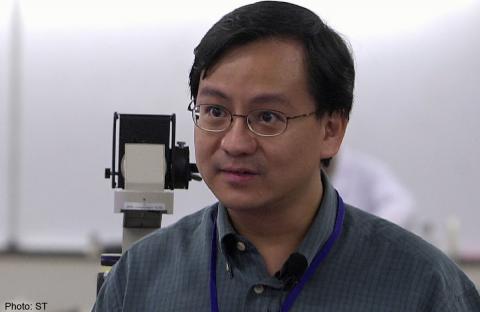
SINGAPOREAN – Scientists here have developed a blood test which takes just three hours and can detect even the early stages of the cancers, before symptoms start to appear. They achieved more than 90 per cent accuracy in laboratory tests, and plan to work with hospitals here to introduce the blood test as a screening tool by 2017. Currently, gastric cancer is detected through endoscopy and biopsy, which involves passing a scope through the mouth into the stomach to collect samples of possibly cancerous ulcers or bumps. Breast cancer is typically diagnosed through mammograms, which are X-rays of the breasts to better look at lumps, and biopsies to collect samples of the lumps. The blood test will tell doctors the probability of a patient having breast or gastric cancer. High-probability patients can confirm the diagnosis through the more invasive sample collections, while low-probability ones can forgo further tests, saving time and money. The blood test became possible when a team of scientists from the Agency for Science, Technology and Research (A*Star) developed a method to measure tiny changes in the levels of genes called micro-RNA in blood. Abnormal levels of the micro-RNA are now widely believed to be linked to many human diseases, including cancer. Before the A*Star team’s work, scientists could detect micro-RNA only at levels that exceeded one hundred thousand molecules for every millilitre of blood. The A*Star invention can detect micro-RNA at less than 1,000 molecules for every millilitre. “In the early stages of cancer, the tumour is smaller than the size of a thumb, and it releases a very small amount of micro-RNA which could not be detected before,” said Dr Zhou Lihan, who was involved in the work. http://yourhealth.asiaone.com/content/spore-team-develops-blood-test-cancers#sthash.eiW85CxZ.uxfs —
Paralysed man walks again after breakthrough treatment http://www.ndtv.com/article/world/paralysed-man-s-nose-used-to-help-him-walk-again-after-4-years-610357 …

…
Paralysed man walks again after breakthrough treatment http://fb.me/3np29CqnA
Paralysed man walks again after breakthrough treatment

LONDON – A paralysed Bulgarian man can walk again after receiving revolutionary treatment in Poland in a breakthrough hailed by one of the British scientists responsible as “more impressive than a man walking on the moon”. Darek Fidyka was paralysed from the chest down following a knife attack in 2010, but can now walk using a frame after receiving treatment in which nerve cells from his nose were transplanted into his severed spinal column, according to research published in the journal Cell Transplantation on Tuesday. “When there’s nothing, you can’t feel almost half of your body. You’re helpless, lost,” the patient, who is now recovering at the Akron Neuro-Rehabilitation Center in Wroclaw, told BBC’s Panorama programme. “When it begins to come back, you feel you’ve started your life all over again, as if you are reborn. It’s an incredible feeling, difficult to describe,” he said. http://yourhealth.asiaone.com/content/paralysed-man-walks-again-after-breakthrough-treatment ..
Paralysed man walks again after nerve cell transplant http://read.ht/kTG #ht

— REAL PENISES, LAB-GROWN! There’s hope for you, guys, of a replacement penis! However, it will take 5 years before they do their first test on men. How long after that to grow them large-scale? Probably 5 more years. TEN YEARS or more! Some of us would be dead by then…


The lab-grown penis: approaching a medical milestone
- The Observer, Saturday 4 October 2014 19.00 BST
Gathered around an enclosure at the Wake Forest Institute for Regenerative Medicine in North Carolina in 2008, Anthony Atala and his colleagues watched anxiously to see if two rabbits would have sex. The suspense was short-lived: within a minute of being put together, the male mounted the female and successfully mated. While it’s not clear what the rabbits made of the moment, for Atala it was definitely special. It was proof that a concept he’d been working on since 1992 – that penises could be grown in a laboratory and transplanted to humans – was theoretically possible. The male rabbit was one of 12 for which he had bioengineered a penis; all tried to mate; in eight there was proof of ejaculation; four went on to produce offspring. The media’s coverage of Atala’s announcement a year later was understandably excited. Not just because of the novelty of a man growing penises in a laboratory, but because his work would fulfil a real need for men who have lost their penis through genital defects, traumatic injury, surgery for aggressive penile cancer, or even jilted lovers exacting revenge. … So why, six years on from successfully engineering a penis for rabbits, have they not yet done the same for humans? Atala explains that, as is often the case with these things, scaling up is proving difficult. “Even though we can make them in a very small mammal, we have to tweak the technology, the processes, the ratio of cells and so on, to get larger and larger structures. That’s pretty much what we’ve been doing since the rabbits.” They’ve made encouraging progress. Atala has engineered half a dozen human penises. Although they are not yet ready for transplanting, Atala’s team are assessing the structures for safety and effectiveness. One machine squashes, stretches and twists them to make sure they can stand up to the wear of everyday life; another pumps fluid into them to test erections. Sliced segments are tested at the genetic, cellular and physiological level. Neither Atala nor Yoo will be pushed for a date for the first test in man, saying only that they’d expect it to occur within five years. “In the end we’re aiming for the entire size of the organ,” says Atala. “But in reality our first target is going to be partial replacement of the organ.” http://www.theguardian.com/education/2014/oct/04/penis-transplants-anthony-atala-interview?CMP=twt_gu — FAKE MEDICINE: POPULAR BRANDS INCLUDE PANADOL, MINYAK CAP KAPAK, EYE AND VIAGRA. The places to avoid: retail shops, convenience stores, supermarkets and the road side. Beware of the medication you buy over the counter. Health enforcers have found that 6% of popular pharmaceutical brands sold are fake, said Harian Metro. … Deputy health director (pharmaceutical enforcement division) Mazlan Ismail said there were syndicates producing imitation drugs that were almost similar to the original products. http://www.thestar.com.my/News/Nation/2014/09/16/Bearing-the-pain-of-rusty-aid-Man-suffers-after-planting-metal-balls-in-penis-to-boost-sexual-prowes/ —– EXPIRED MEDICATION IS DANGEROUS! Checked the cough medicine and fever medicine in your fridge lately to see if they are past shelf life? Berita Harian reported that two siblings were rushed to hospital when they collapsed after drinking expired fever medicine at Kedai Kampung Lalat, Kota Baru, on Wednesday. The two victims, Wan Muhammad Dhuha Wan Mohd Azizi, 4, and Wan Nur Fadhail, 2, were foaming in the mouth after they collapsed. The victims were rushed to Universiti Sains Malaysia Hospital (HUSM). The victims’ mother, Rosnaini, who is her 30s, said the two had had fever over the past few weeks but she did not take them to seek medical treatment. http://www.thestar.com.my/News/Nation/2014/08/30/Marriage-comes-to-light-after-raid-Celebs-Batam-wedding-not-registered-here/ —– SUNDS IS PREVALENT IN SOUTHEAST ASIA SUNDS (sudden unexplained nocturnal death syndrome) or SUDS (sudden unexplained death during sleep), is a disorder that prevails predominantly in Southeast Asia. The Philippines calls it bangungut. Annual incidence is 34 per 100.000 for 20-40 years. Thailand calls it lai-tai. Annual incidence is 38 per 100,000 for 20-49 years. Japan calls it pokkuri. China calls it sudden manhood death syndrome. In Southern China, the incidence is about 1 per 100,000 people. … These reported worldwide syndromes have an unusual clinical phenotype in common: the vast majority of victims were apparently healthy young males between 20 and 50 years old; death mostly occurred at night during sleep with symptoms of moaning, tachypnea, and abrupt tic of limbs; gross autopsy and microscopic findings showed no morphological changes to elucidate the cause of death. Since its initial description in 1917 in the Philippines, SUNDS has remained an enigma to both forensic pathologists and clinicians. https://sg.finance.yahoo.com/news/mysterious-condition-killing-workers-dongguan-170034924.html — The Chinese city of Dongguan, in the southern province of Guangdong, has seen a surge in the number of workers that are dying in their sleep, reports Andrea Chen at South China Morning Post.
There have been 893 cases of sudden unexplained nocturnal death syndrome (SUNDS) from January 2001 to October 2013, up from 231 cases seen between January 1990 to December 1999.
Autopsies have revealed that these workers had no terminal illness or injury and that the workers were otherwise healthy. The report found that the young male workers suddenly had a hard time breathing while they were sleeping, though the cause for this was unknown.
Researchers at Zhongshan School of Medicine, cited by Guangzhou Daily, found that young manual laborers were most at risk. More than 90% of those that died were manual laborers and the researchers said longer hours and poor work and living conditions put them at higher risk. More than 90% of the victims were male.
See: YAHOO! FINANCE SINGAPORE, A Mysterious Condition Is Killing Workers In Dongguan, China In Their Sleep  By Mamta Badkar | Business Insider (https://sg.finance.yahoo.com/news/mysterious-condition-killing-workers-dongguan-170034924.html) —– Too many doctors, too poorly trained “We have an Air Asia ‘everyone can fly’ syndrome – it seems that everyone can become a doctor. Adopting Henry Ford’s industrialisation of car production to training doctors will result in poor quality medical practitioners,” says Malaysian Medical Association (MMA) president Datuk Dr N.K.S. Tharmaseelan. Star Sunday August 18, 2013 MYT 7:48:36 AM
Too many doctors, too little training
The future remains uncertain for aspiring doctors unless more training hospitals are opened. COME next year, some 5,000 doctors are expected to be jobless. This is because there are not enough government hospitals to train the large number of medical graduates being churned out, says Malaysian Medical Association (MMA) president Datuk Dr N.K.S. Tharmaseelan. “There are just too many doctors and too many medical institutions flooding the market,” he claims, adding that there are now about 40,000 active doctors in the country. “Some 5,000 doctors are graduating yearly but where are they going to do their housemanship and compulsory training? “Currently in government hospitals, there are some 60 doctors in one unit so how are they going to learn?” he asks, adding that soon there will not be enough posts for medical officers in government hospitals. “This means that by now, the 6,544 available posts would have almost been filled. Where will the fresh graduates go next year?” Dr Tharmaseelan calls on the government to build more hospitals, increase the number of beds in existing ones and equip the district hospitals with training facilities to accommodate the influx of aspiring doctors. Too many doctors, too little training — “It’s been three decades and our fees have remained unchanged,” Malaysian Medical Association (MMA) president Datuk Dr N.K.S. Tharmaseelan said. Star Sunday August 18, 2013 MYT 11:12:45 AM
Doctors call for 30% hike
PETALING JAYA: Doctors in private clinics and hospitals are asking for a 30% increase in consultation fees, saying it is impossible for them to survive with rising operating costs. Malaysian Medical Association president Datuk Dr N.K.S. Tharmaseelan said the proposed hike was more than a decade overdue. He claimed that doctors were now paid less than plumbers, electricians, hairstylists and food outlet operators. General practitioners get between RM30 and RM50 per consultation while specialists charge between RM50 and RM80. Dr Tharmaseelan said: “It is a misconception that doctors are rich and greedy. Many doctors are scraping the barrel with rising utility, rent and salary costs, and quite a few have even quit practice as it’s just too expensive to maintain a clinic. “On average, the operating cost for a general practitioner to run a clinic in Kuala Lumpur is about RM20,000 per month.” Doctors call for 30% hike —– SATURDAY, 13 JULY 2013 VERTIGO IS THE LONELIEST THING IN THE WORLD… I cope as best as I can, learning as I go along. Always, NO medication! It has to be MIND over everything. My mind must impose stability and balance on the very shakiness of existence. When vertigo waits in the wings, your link to stability is tenuous at best, for it is merely a thread, not even a string, that holds you from toppling over the edge. It is a thread that easily breaks! When it breaks, then, only one thing saves me. It is my index finger. My index finger, usually the right one, holds the key to overcoming momentary imbalance. Come back and find out how it is done! — Monday, 8 July 2013 My vertigo returned with a vengeance today! Still, I am coping… —– VERTIGO IS NOT NICE TO HAVE. Vertigo is a feeling that you or your surroundings are moving when there is no actual movement. You may feel as though you are spinning, whirling, falling, or tilting. When you have severe vertigo, you may feel very nauseated or vomit. You may have trouble walking or standing, and you may lose your balance and fall. Vertigo occurs when there is conflict between the signals sent to the brain by various balance- and position-sensing systems of the body. Your brain uses input from four sensory systems to maintain your sense of balance and orientation to your surroundings. For more, read Dizziness: Lightheadedness & Vertigo Causes, Symptoms … – WebMD— IT IS IMPOSSIBLE TO FUNCTION DURING AN ATTACK OF VERTIGO! You can’t even rest! Lie down and your head spins. Close your eyes and the spinning gets worse. Move your position suddenly and your dizziness increases. Don’t look up or down but look level..which means that a shower is almost impossible without worsening your vertigo. As for anything else… A friend’s experience with vertigo A friend was on the second floor of her school when she had an attack, and students had to help her go down the steps. She didn’t know it was vertigo. After several tests and being observed overnight at a hospital, she discovered that she had vertigo. At least, she said, she knew she wasn’t dying of brain cancer! Still, vertigo is not an easy medical condition to cope with. My continuing battle with vertigo I had my first attack as a boy of ten, after doing the helicopter (which involves holding the left ear with the right hand, pointing at the ground with the left hand, and spinning round and round). Never thought much of that. After several dizzy spells from the helicopter, I just stopped doing it. My first serious attack was when I was 55. At first, I thought it was nothing; a nap would help. But I couldn’t even lie down without my head spinning round and round! After three days and nights (during which I went to work as usual), I began reading about it. I noted the symptoms and looked in my MMA handbook. No internet yet, you see. I suspected vertigo. I went to see an ENT specialist. ENT stands for Ear, Nose and Throat (although a friend suggested ENCT, where CT stands for Cut Throat!) Anyway, the specialist asked me to walk along a line he drew on the floor with chalk and when I couldn’t do so without almost toppling over, he made the pronouncement, “Vertigo.” “If you begin on medication, it will likely be lifelong,” advised the ENT specialist, an ex-classmate of my wife’s. “You could try the exercises in this hand-out. Maybe they will work,” he added. I went home. I tried one of the exercises. IT WORKED! Next day, I went back to see him, and he was pleased. So was I. Since then I have simplified the exercises: I now have three simple steps. My vertigo is under control. PREVENTION is the KEY. Never get overtired. Get enough sleep. In my case, never drive outstation and return on the same day; and avoid long-distance driving at night. When I am sick, my vertigo returns. The solution is SLEEP, lots of it, but BEFORE lying down, I perform the first step of exercises. That is all that is necessary at this time. I lie on my left side because if I am lying on my back or on my right side, I get dizzy. The room must not be dark. Darkness makes vertigo worse. When I wake up, I lie on my back quietly. I then perform my first exercise. Next, I sit up and perform the next step. This is followed by Step 3. If I get up suddenly, I may topple over! All movements are slow and controlled, with my hands holding onto something to steady myself. *WHAT IS MY 3-STEP EXERCISE? Come back for the next part, and find out what it is. 🙂 ——– *BEFORE GENETICALLY MODIFIED (GM) BABIES, THERE WERE TEST TUBE BABIES
| Noun | 1. | test-tube baby – a baby conceived by fertilization that occurs outside the mother’s body; the woman’s ova are removed and mixed with sperm in a culture medium – if fertilization occurs the blastocyte is implanted in the woman’s uterus |
test–tube baby – The Free Dictionary — *TEST TUBE BABIES: IN VITRO FERTILIZATION (IVF) In vitro fertilisation (IVF) is a process by which an egg is fertilized by sperm outside the body: in vitro. IVF is a major treatment for infertility when other methods of assisted reproductive technology have failed. The term test tube babies came about because the early biological experiments involving cultivation of tissues outside the living organism, from which they came, were carried out in glass containers such as beakers, test tubes and petri dishes. Thus, in vitro, literally, in glass. For a discussion of this, click on In vitro fertilisation – Wikipedia, the free encyclopedia —–

First Test-Tube Baby – Louise Brown
By Jennifer Rosenberg, About.com Guid 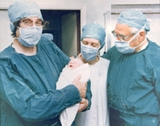
The team who pioneered in-vitro fertilization. On the left Cambridge, physiologist Dr. Robert Edwards holding the world’s first test tube baby, Louise Joy Brown and (on the right) gynecologist Mr. Patrick Steptoe. (July 25, 1978)
(Photo by Keystone/Getty Images) On July 25, 1978, Louise Joy Brown, the world’s first successful “test-tube” baby was born in Great Britain. Though the technology that made her conception possible was heralded as a triumph in medicine and science, it also caused many to consider the possibilities of future ill-use. ….. Before the birth of Louise Brown, those women who were found to have Fallopian tube blockages (approximately twenty percent of infertile women) had no hope of becoming pregnant. ….. At 11:47 p.m. on July 25, 1978, a five-pound 12-ounce baby girl was born. The baby girl, named Louise Joy Brown, had blue eyes and blond hair and seemed healthy. Still, the medical community and the world were preparing to watch Louise Brown to see if there were any abnormalities that couldn’t be seen at birth. The process had been a success! Though some wondered if the success had been more luck than science, continued success with the process proved that Dr. Steptoe and Dr. Edwards had accomplished the first of many “test-tube” babies. Today, the process of in vitro fertilization is considered commonplace and utilized by infertile couples around the world. Click on the link below for more First Test–Tube Baby – Louise Brown — Daily Mirror
Lesley Brown The test-tube pioneer: Mum who gave birth to first IVF baby dies, aged 64
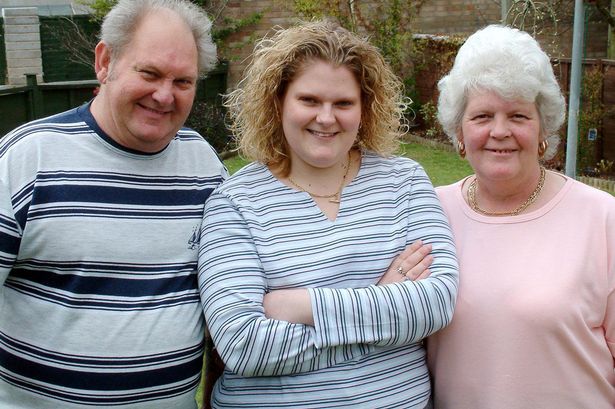 The first woman in the world to successfully give birth following IVF treatment has died at the age of 64. Lesley Brown, who made medical history on July 25th, 1978, when she gave birth to daughter Louise, died from septicemia on June 6 after being admitted to hospital with gallstones. Mrs Brown made world headlines when she gave birth. She had been desperately trying for a baby for nine years with husband John.
Also read CNN.com – Test tube babies, 25 years later – Jul. 28, 2003 —– In 2010, Edwards was awarded the Nobel Prize in Physiology or Medicine and was knighted the following year.
Test-Tube Baby Pioneer Dies

The man whose research led to the world’s first test-tube baby more than three decades ago, has died at age 87. Robert Edwards, who later won the Nobel Prize, began experimenting with in vitro fertilization, or IVF, in the late 1960s. His work, controversial at the time, eventually led to the birth of the world’s first “test tube baby,” Louise Brown, on July 25, 1978. Since then, IVF has resulted in about 5 million babies worldwide, according to the European Society for Human Reproduction and Embryology. Test–Tube Baby Pioneer Dies : The Two-Way : NPR — The Independent  IVF pioneer Professor Sir Robert Edwards died at the age of 87. He was like a grandfather to me: first test–tube baby leads tributes to … —–
World’s first GM babies born
The world’s first genetically modified humans have been created, it was revealed last night. The disclosure that 30 healthy babies were born after a series of experiments in the United States provoked another furious debate about ethics. So far, two of the babies have been tested and have been found to contain genes from three ‘parents’. Fifteen of the children were born in the past three years as a result of one experimental programme at the Institute for Reproductive Medicine and Science of St Barnabas in New Jersey. For more, click on http://www.whydontyoutrythis.com/2013/07/worlds-first-gm-babies-born.html ——————————————————————
 weehingthong